Motorola was, and always will be, a mobile industry icon. A company that started in 1928, since then, they have been synonymous to sturdy, groundbreaking mobile device designs.
At the time when Nokias and other phone models were bulky handsets worthy of being called paperweights, Motorola pioneered the "small is powerful" design in its now-iconic "StarTAC." Since then, they've produced sleek, slick, and beautiful handsets.
For one, the RAZR, SLVR and KRZR models were the slimmest, sleekest phones available in their time. Not only were the sleek and slick profiles highly marketable, but Moto packed a punch in their phones' software, as well.
With these mid-range models capable of installing Java applications, midrange users were already given almost what a SmartPhone could do. With Bluetooth, amazing sound, and a sturdy construction, if, at that time, you weren't enamored with Palm devices or Blackberries yet, a Moto phone would suffice.
Despite a lull in Motorola's marketability, it has finally resurrected thanks to the Android. How it lagged behind in the past, it is now at the forefront of SmartPhone innovation.
What makes a Motorola a cut above other Androids? Try Battery Life. With Android users complaining mostly about their devices' battery life, or its lack of longevity, the Motorola Droids boast of standby times up in at least 200 hours of standby, and at least 8 to 10 hours of talk time. Exactly what an Android user needs. And while HTC probably rules the Android roost, some Motorola units' designs are still exciting, or even more exciting than the HTC portfolio:
These three are worth checking out in the Motorola portfolio.
Also, the Motorola Droids (like the Droid Bionic) are powered by NVIDIA's Tegra 2 Processor, making it a faster machine compared to a Snapdragon-powered HTC Thunderbolt. This means that if you buy a Moto Droid Bionic, you'll have a phone that's as powerful as an Android tablet. Things like these are worth considering when you're in the market for a new Android device.
On the whole, the Google purchase of Motorola Mobility was great news. With machines designed to be as powerful as these, expect the market to have top-notch Android offerings from Motorola -- Top-notch, inside and out, software and hardware.
***
Image Credits:
Motorola Backflip by Product Reviews
Motorola Charm by Pure Mobile
Motorola Flipout by Gadgets DNA
When you hear the word "Android," touchscreen phones may be the first to cross your mind. Whether it's an HTC, a Samsung or even a Cherry Mobile or Torque phone, the Android is associated with bar-type touch screen technology.
It may come as a surprise, but there are phones, even from the top Android companies that now carry the QWERTY form factor. Not everyone likes using touchscreen devices, thus it is a need for the top players to give the consumers what they want.
The Blackberry pioneered the QWERTY form factor. When the quintessential email and business phone was released, people who were already addicted to email got even more hooked. The ease of typing, as well as the compelling sound of the keys clacking kept people hooked to their email, that Blackberries soon became a hated dining table and vacation fixture. Parents and spouses wanted to tear the gadgets off of their loved ones so they can have nice family dinners in peace; while family vacations never seemed as restful because the Blackberry-toting email addicts kept checking email and working from their phones.
The iPhone came to break the Blackberry's smartphone monopoly, and a new standard in smartphones was born. The Android was initially created to eat into the iPhone's market share; but eventually, phone makers wanted to eat into the QWERTY market, as well.
The QWERTY market was effectively cornered by Blackberry so far; but Nokia quietly ate into its share with its line of QWERTY smartphones. But somehow, the Nokia can never seem to put up a worthy fight. Blame it on the Symbian platform, which never really posed a formidable defense against malware.
Enter the Android, fully customizable by the mobile phone companies that want to use it. They can use the platform on touch screens, on slider phones, and now, Blackberry-style QWERTY Android models are penetrating the market.
These three turned our heads and caught our Android-spotting eye:
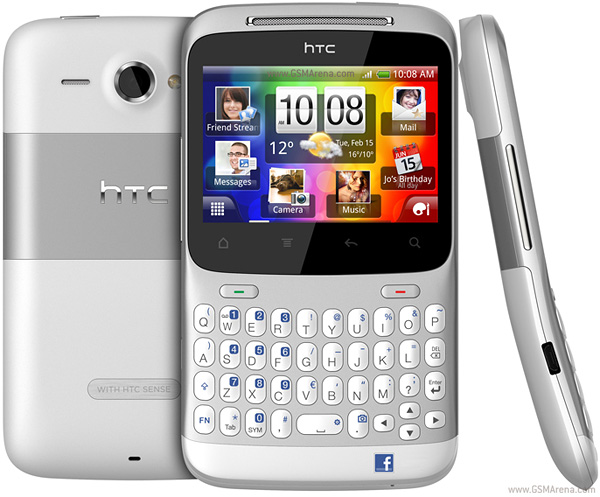
HTC Chacha -- Made by one of the best companies to carry Android, this sleek, slightly curved QWERTY beauty has a dedicated button. Just great; add Facebook to your email and SMS texting addictions and you'll never put your QWERTY Android down.
Motorola Charm -- Cute and chic, this one may become a favorite among the teens and the ladies. Also social-networking centered, this QWERTY Droid has one major limitation, however: it is only available on T-Mobile in the USA. There are local (Philippine) sellers of openline units, however, gray market releases are never as reliable as company-released units.
Acer beTouch E130 -- Acer's entry-level QWERTY Droid, this is a more affordable, but less powerful offering from Acer. Still social networking-centric, this would be great for teens and yuppies who want a budget-friendly Droid option.
Over the coming weeks, we'll be featuring Androids of all shapes and sizes. We'll be giving you lists and even reviews of individual units. Our older posts also contain more reviews and overviews of what the Android world has to offer. So bookmark, subscribe and follow Android Alliance Philippines for hot-off-the-grill news about the Android OS!
Image Credits for Android Phones: GSMArena
Follow Me @Instagram